
Does a more unmanned factory equal greater competitiveness?
On October 19, Siemens unveiled an AI application co-developed with NVIDIA at its electronics plant in Erlangen, Germany. The agent generates production plans based on new orders. According to Siemens, such agent-based scheduling can potentially cut costs by up to 20%.
This case grounds the discussion on industrial AI in practical questions: How can technologies be embedded into business workflows? How do humans and systems collaborate? And how do we measure application outcomes?
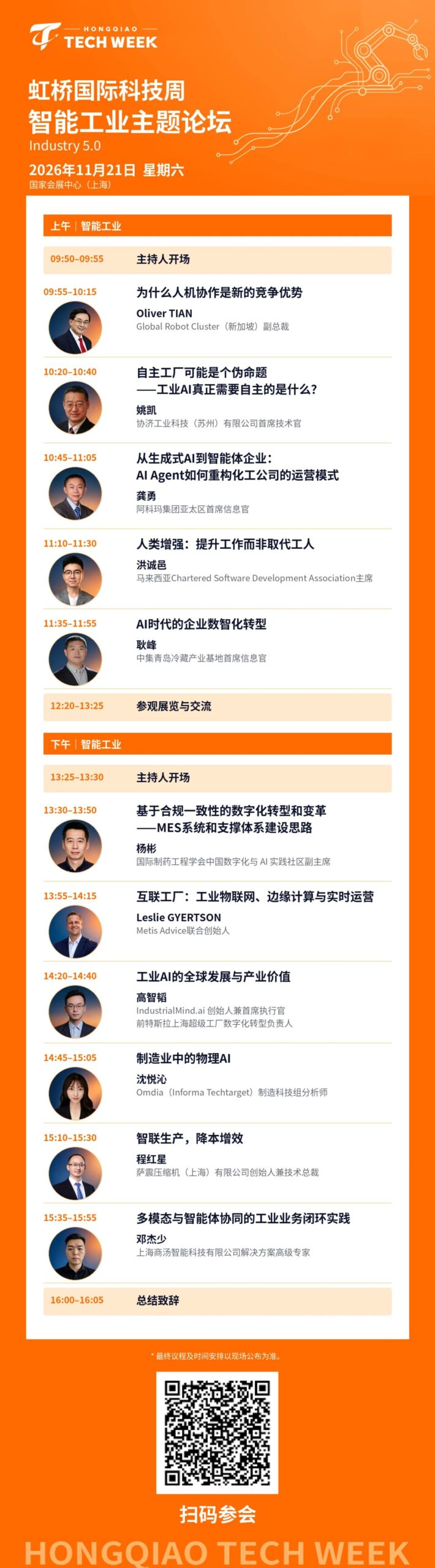
On November 21, 2026, the Smart Industry Stage at Hongqiao International Science and Technology Week will host a full-day discussion featuring 12 keynote sessions centered around these topics. Covering corporate operations, shop-floor production, cutting-edge technologies and system development, the sessions will showcase practical progress and implementation pathways for industrial intelligence.
Conference Pass

Hongqiao International Science and Technology Week ⏰ Nov 20–22, 2026 📍 National Exhibition and Convention Center (Shanghai)
Scan the QR code to purchase your Conference Pass Access six thematic forums with one pass Engage face-to-face with industry experts
Why you shouldn’t miss the Smart Industry Stage on November 21?
01 Grasp industry trends and learn how technologies reshape businesses AI Agents and Physical AI open new application avenues for industrial intelligence. What manufacturers care about is which business links these technologies can penetrate, and what operational transformations they will bring.
How chemical enterprises can evolve from generative AI adoption to becoming agent-driven organizations is the core topic of Gong Yong, CIO, Asia-Pacific at Arkema Group.
Digging further into enterprise operations, the practical session by Deng Jieshao, Senior Solution Specialist at SenseTime Intelligent Technology, will explore how multimodal capabilities can work alongside agents to form closed-loop industrial workflows.
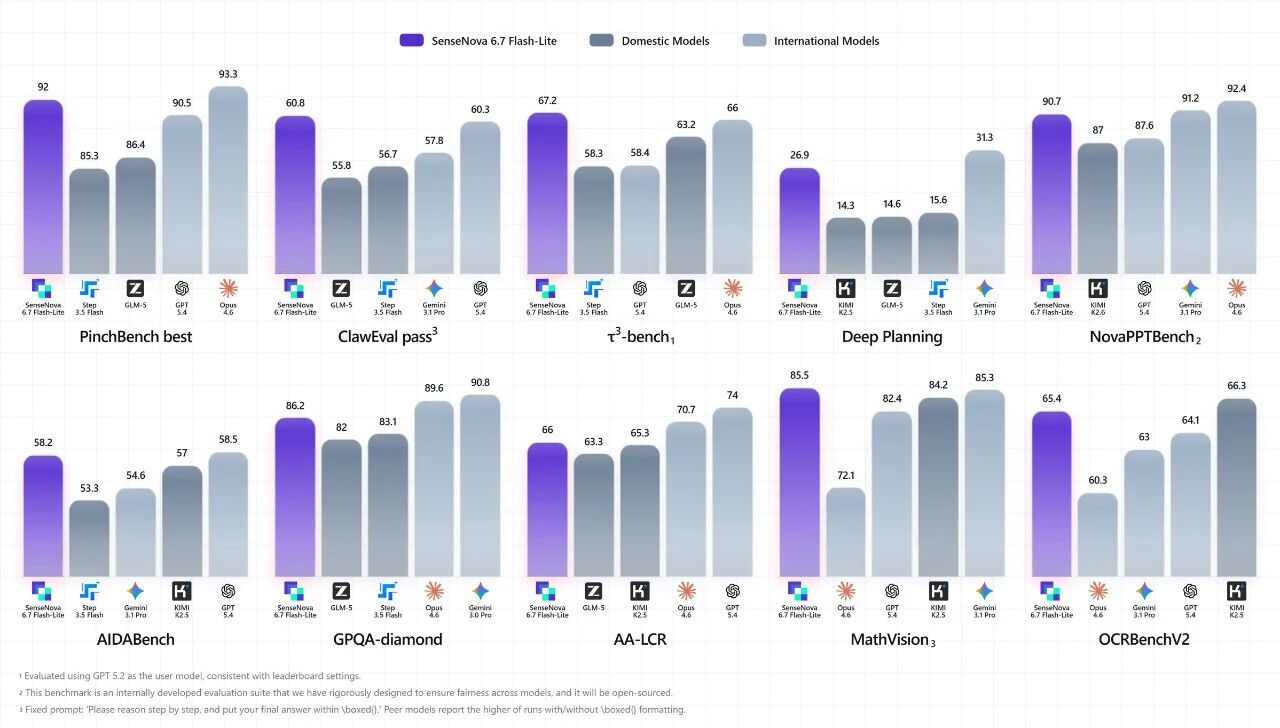
*Multi-dimensional comparison chart of SenseNova 6.7 Flash-Lite (Source: SenseTime official website)
Examining enterprise operations and technical implementation on the same day offers more concrete references for judging the application directions of industrial agents, and clarifies the link between technology trends and business requirements.
02 Linking technological advances to measurable business value Quality, cost, efficiency and delivery are indispensable metrics for industrial AI adoption. When deciding where to invest, enterprises need to keep track of technological progress, as well as compare implementation requirements and returns across different scenarios.
In the session presented by Gao Zhitao, Founder & CEO of IndustrialMind.ai and former Lead of Digital Transformation at Tesla Gigafactory Shanghai, the development of global industrial AI will be tied to practical use cases including quality improvement, equipment maintenance and production optimization. He will further discuss how to measure outcomes and what conditions enterprises need to achieve large-scale deployment.
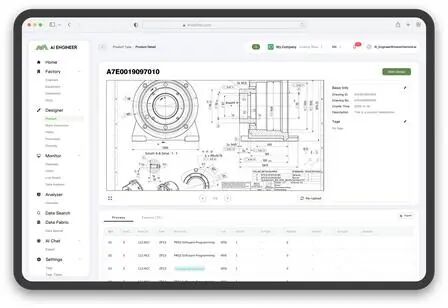
*Interface of AI Industrial Engineer Platform (Source: IndustrialMind.ai official website)
The evolution of Physical AI will also be part of the discussion. Shen Yueqin, Analyst within Omdia Manufacturing Technology team, will cover application areas including visual analytics, robotics and predictive maintenance.
Back to shop-floor production and business operations, Cheng Hongxing, Founder & CTO of Saizhen Compressor, focuses on “Intelligent Connected Production for Cost Reduction and Efficiency Improvement” — business goals familiar to manufacturing enterprises.
03 Clarifying autonomy boundaries and understanding the new role of humans What tasks should factory autonomy cover? As systems take on more decision-making, how can human experience and judgement remain involved? These questions shape both technical solutions and production organization.
Yao Kai, CTO of Xieji Industrial Technology, raises the thought-provoking question that “an autonomous factory may be a false proposition”, steering the discussion toward which links truly require autonomy for industrial AI.
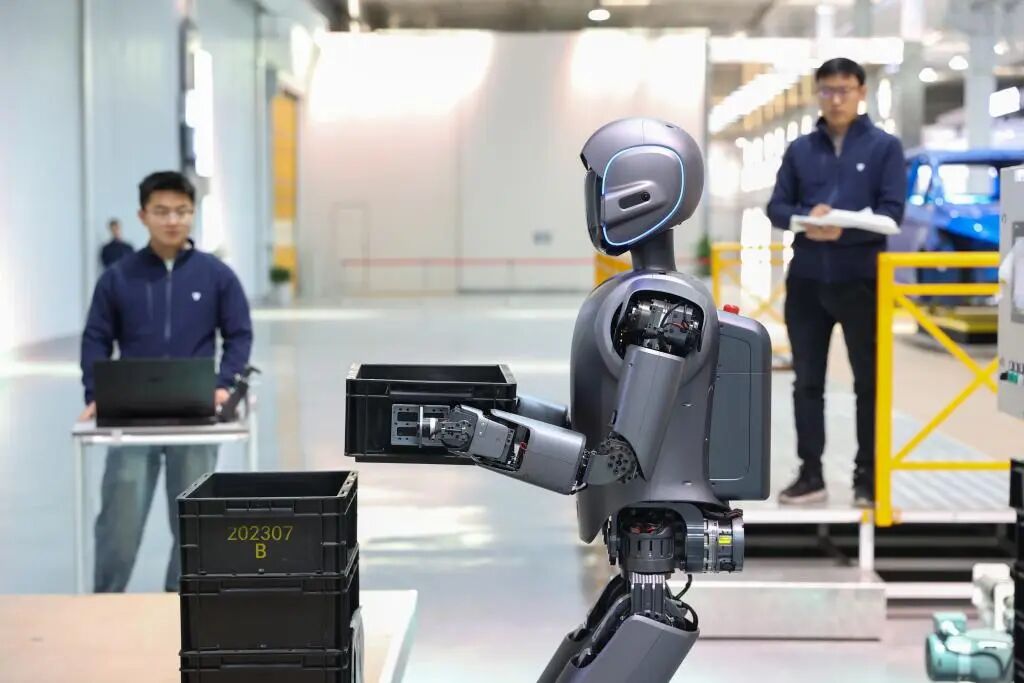
*Engineer debugging a humanoid robot (Source: Xinhuanet)
On the flip side of autonomy boundaries lies human-system collaboration. Oliver TIAN, Vice President of Global Robot Cluster (Singapore), will explore how human-robot collaboration can create new competitive advantages. Hong Chengyi’s session on human augmentation further dives into ways to augment human work capabilities.
04 Benchmark against industry practices to find practical transformation references While industrial intelligence is pursued across sectors, pharmaceutical manufacturing, refrigeration equipment and shipbuilding operate under vastly different conditions. Cross-industry exchange helps us understand such distinctions and identify approaches matching our own transformation stage.
How compliance consistency can be embedded into digital development shapes the design of MES and its supporting infrastructure. This will be the focus of Yang Bin, Vice Chair of ISPE China Digital & AI Practice Community.
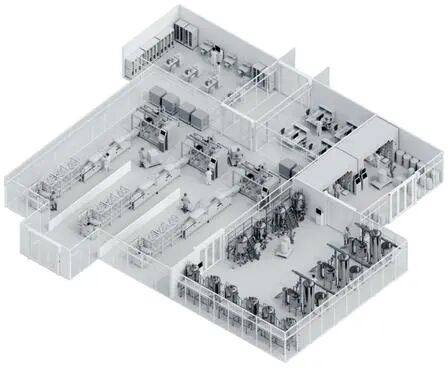
*Schematic diagram of compliant MES (Manufacturing Execution System) architecture (Source: Vimachem official website)
After systems are deployed on-site, how equipment connectivity, edge computing and real-time operations connect with one another is closely tied to the connected factory, the focus of Leslie GYERTSON, Co-founder of Metis Advice. The overall digital and intelligent transformation of enterprises will be discussed in the session by Geng Feng, CIO of CIMC Qingdao Refrigeration Industrial Base.
Spanning agent applications, human-robot collaboration and system infrastructure, these sessions are logically linked around one core theme for the full-day agenda: How industrial AI can integrate into enterprise operations and deliver sustainable business value.
Hongqiao International Science and Technology Week · Smart Industry Stage Time: Nov 20–22, 2026 Venue: National Exhibition and Convention Center (Shanghai)
Scan the QR code to purchase your Conference Pass
The full agenda is as follows 👇
Conference Pass ▼
Dive into concurrent sessions, engage face-to-face with industry experts, and stay ahead of cutting-edge trends.
¥1,088 Standard Rate
Benefits
- Access to all exhibition zones and experience activities at Hongqiao International Science and Technology Week
- Admission to all parallel breakout sessions to hear insights from top global speakers (World Leaders Summit excluded)
- Access to forum materials
- Join the Spark Chat Room to start or participate in topic discussions
- On-site one-on-one targeted business matchmaking service
Bring your colleagues! Attend six thematic forums together and bring cutting-edge insights back to your team. Group discount: up to 30% off for bookings of 3 or more Conference Passes. Reach out to our WeChat Mini Program assistant for one-stop registration support!